



06 Sep
Why Real Belgian Chocolate Makes a Difference in Desserts
by Hamza
Chocolate is chocolate, right?
Not quite.
There is a reason Belgian chocolate has earned a reputation around the world, and it isn’t simply because Belgium makes a lot of it. From the way it melts to the depth of its flavour, good Belgian chocolate can completely change a dessert.
It is the difference between a sauce that simply tastes sweet and one that is rich, smooth and properly chocolatey. Yes, chocolatey is a technical term. At least it is here.
So, What Is Belgian Chocolate?
Here is the first fun fact: cocoa beans do not actually grow in Belgium.
Cocoa trees need a hot, humid climate and are generally grown close to the equator. What makes chocolate Belgian is the expertise used to transform those cocoa beans into the finished product.
Belgium has spent generations perfecting the roasting, grinding, blending and refining process. Under the Belgian Chocolate Code, chocolate described as Belgian should be mixed, refined and conched in Belgium.
In less technical terms, Belgium takes chocolate very seriously.
It Has a Smoother Texture
One of the first things you notice about quality Belgian chocolate is its texture.
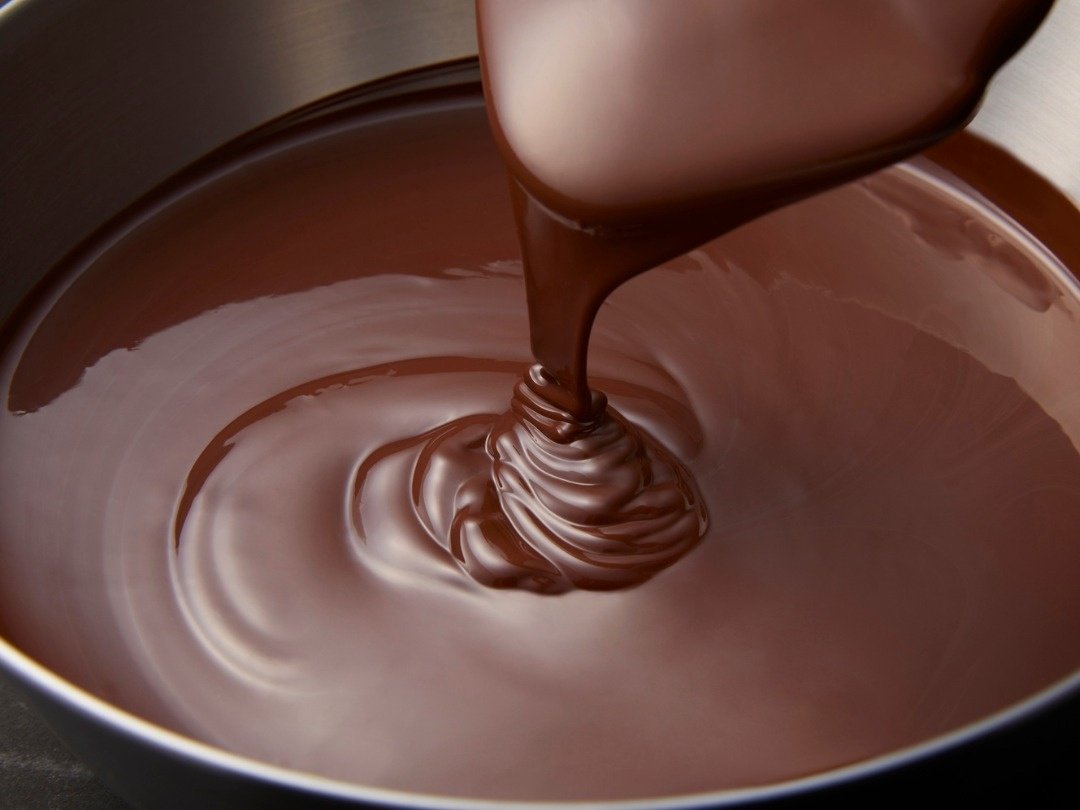
The ingredients are refined into extremely fine particles, creating a smooth finish without the graininess sometimes found in cheaper chocolate. When warmed and poured over cheesecake, waffles or cookie dough, it produces that glossy, silky sauce that slowly runs over every edge.
It does not just sit on top of the dessert. It becomes part of it.
That smoothness also creates a better mouthfeel. The chocolate melts evenly across your tongue, allowing the flavour to develop rather than disappearing in one sugary hit.
The Flavour Is Deeper
Cheap chocolate often relies heavily on sugar. It tastes sweet, but there may not be much happening underneath.
Real Belgian chocolate offers greater depth. Depending on the recipe and cocoa used, you might notice creamy, roasted, caramel-like, fruity or slightly bitter notes.
This complexity is particularly important in rich desserts. Cheesecake, cookie dough and waffles already contain plenty of sweetness, so the chocolate needs enough character to stand out without making the whole thing taste like pure sugar.
It is about balance - although nobody has ever accused a Grumpy Baker dessert of being shy.
It Melts Properly
Chocolate contains cocoa butter, which begins to soften close to body temperature. This is why good chocolate melts so satisfyingly in your mouth.
It also makes a difference when chocolate is used as a warm dessert sauce. Quality chocolate melts into a smooth consistency and coats the dessert evenly, giving you chocolate in every bite, which is exactly where it belongs.
As it cools, the sauce may begin to set again. That is completely normal and one of the signs that real chocolate ingredients are doing what they are supposed to do.
If you are saving your dessert until later, requesting the warm sauce separately can help you enjoy it exactly how you like it. Although “saving it until later” sounds suspiciously optimistic.
Belgian Chocolate Has a Serious History
Belgium’s relationship with chocolate stretches back centuries, but one of its biggest contributions arrived in 1912, when Belgian chocolatier Jean Neuhaus Jr. created the filled chocolate praline.
Before that, the word “praline” usually referred to nuts coated in caramelised sugar. Neuhaus developed a chocolate shell that could be filled with creams, ganaches and nut pastes.
In other words, Belgium helped turn chocolate into a container for even more chocolate. A significant moment for humanity.
Belgium also developed the ballotin: the traditional box designed to protect delicate pralines. It was created because putting carefully made chocolates into a paper bag was, quite rightly, considered unacceptable.
Milk, Dark and White Chocolate All Behave Differently
Another fun fact: white chocolate does not contain cocoa solids, but it is still considered chocolate when it is made with cocoa butter.
Each type brings something different to a dessert:
- Milk chocolate is creamy, smooth and comforting.
- Dark chocolate adds intensity and a slightly bitter edge.
- White chocolate is sweet, buttery and ideal with fruity or biscuit flavours.
Combining different chocolates creates layers of sweetness and flavour rather than one flat taste. This is why a mixture of milk, dark and white chocolate can make a dessert feel far more indulgent.
Does It Really Make That Much Difference?
Absolutely.
Chocolate is often one of the most noticeable parts of a dessert. If the sauce tastes thin, overly sweet or artificial, it affects everything underneath it. When the chocolate is smooth, rich and full of flavour, it lifts the entire dish.
At The Grumpy Baker, luxury Belgian chocolate is used across a number of our desserts, from warm chocolate sauces poured over our famous cheesecake to the finishing touches on other creations.
It might look like a drizzle, but it is doing some very important work.
So, the next time warm Belgian chocolate is running down the side of your dessert, take a second to appreciate the craftsmanship, history and expertise behind it.
Then stop staring at it and eat it before somebody else does.